Post-acne dark spots are usually post-inflammatory hyperpigmentation (PIH). The most reliable approach is daily sun protection, fewer irritation triggers, and a few well-chosen actives that support gradual fading.

Hana
Writer, Skincare & Haircare - Published April 24, 2026

After a breakout heals, the dark mark that lingers can feel more frustrating than the pimple itself. These spots are usually post-inflammatory hyperpigmentation (PIH): extra pigment left behind after inflammation. PIH is common after acne, especially in medium to deeper skin tones, and it often fades slowly if the skin keeps getting irritated or repeatedly exposed to UV.
The routine that works best is usually not aggressive. It is consistent. The biggest wins tend to come from protecting marks from the sun, keeping irritation low, and using one or two proven actives long enough to work.
Not all “acne marks” are the same. Three common patterns look different and respond to different strategies:
This article is about PIH. If the main problem is texture rather than color, topical fading routines can support overall skin health, but scar treatment usually needs a dermatologist-led plan.
PIH happens when inflammation signals pigment-producing cells to make more melanin while the breakout heals. UV exposure can darken those marks further and slow down fading, especially on the face or other exposed areas.
The marks can also last longer when the skin keeps cycling through irritation from picking, harsh scrubs, over-exfoliation, or acne that is still actively flaring.
If there is one step that makes the rest of the routine pay off, it is sunscreen. Choose a broad-spectrum sunscreen with SPF 30 or higher. If you darken easily, SPF 50+ is often worth considering.
PIH is easier to prevent than to fade. Picking pimples, frequent scrubbing, and stacking too many strong actives can keep creating fresh marks while you are trying to clear older ones.
If faster progress is the goal, the simplest lever is often less irritation. A routine you can tolerate every day usually beats a high-powered routine you keep stopping and restarting.
Trying to fade PIH while breakouts keep coming is like mopping the floor with the tap still running. If acne is frequent, prioritize a simple plan you can sustain. For many people, that means a gentle cleanser, non-comedogenic moisturizer, sunscreen, and one main acne-active introduced slowly.
If acne is painful, cystic, scarring, or simply not settling with a basic routine, it is worth getting medical input sooner rather than later.
PIH fading is slow by nature. Pick one or two options, use them consistently, and expect the routine to take 8 to 12 weeks before changes feel obvious, with deeper grey-brown marks often taking longer.
Azelaic acid is often a strong first choice when acne and dark marks overlap. It is commonly used in 15–20% formulas and is often easier to tolerate than stronger exfoliating acids.
Retinoids can help prevent new breakouts and support more even tone over time, but they are also one of the easiest ways to trigger irritation if you rush them.
These are common supportive options for uneven tone and can be useful when the formulas are well tolerated. They are usually gentler than strong peeling acids, but they can still irritate some skin.
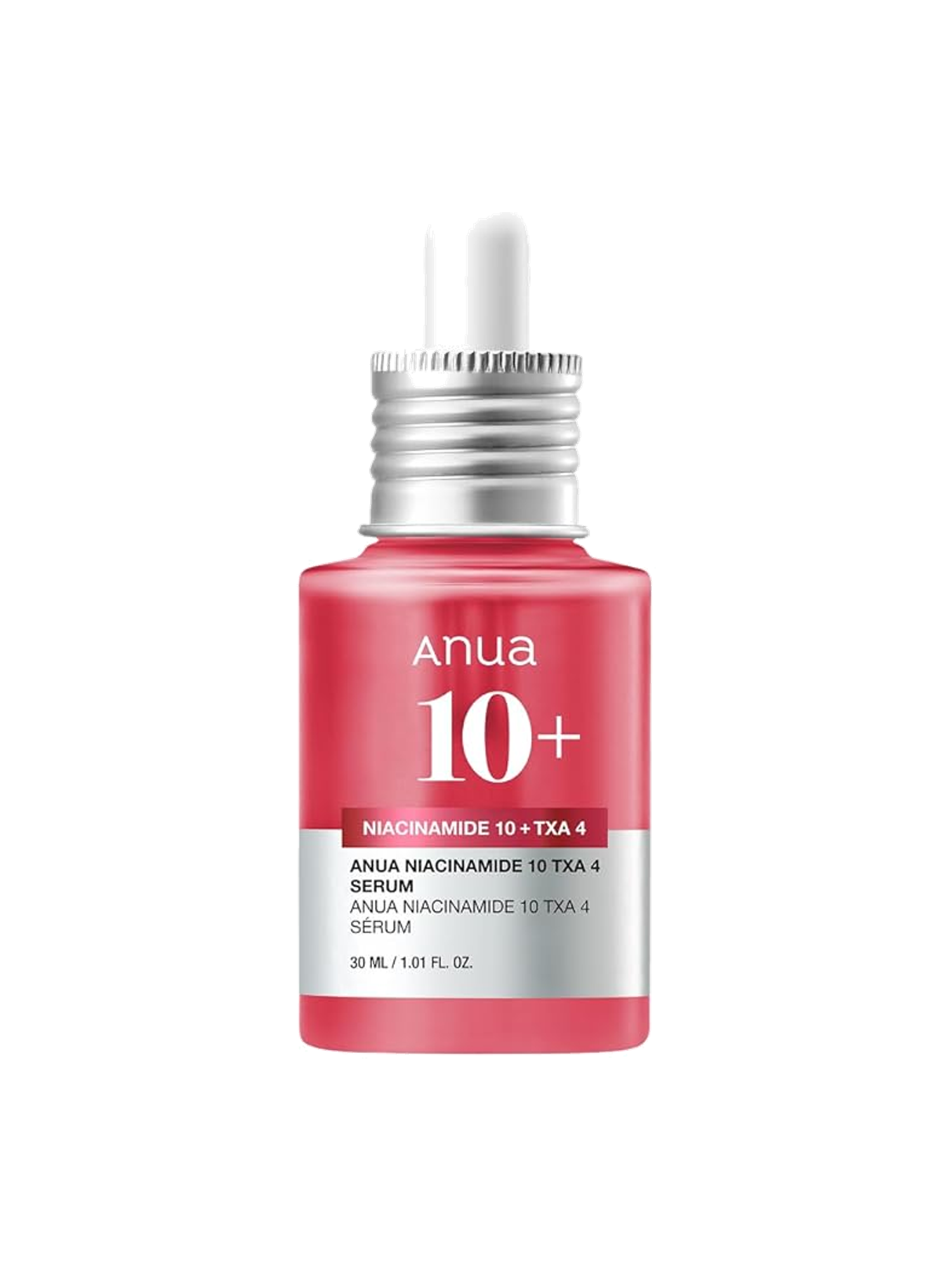
Topical tranexamic acid is increasingly used for pigmentation concerns and is often positioned as a gentler option that pairs well with sunscreen and a barrier-supportive routine.
This is a practical template, not a rulebook. The goal is consistency without turning your skin raw.
If you are tempted to stack several strong products, alternate nights instead. That approach is often more effective in real life because it lowers the chance of an irritation spiral.
Get help sooner if pigmentation is rapidly spreading, if marks are very dark and persistent, if you are developing true scars, or if acne is not improving with a basic routine. Professional options can include prescription retinoids, targeted lightening agents, and procedures chosen carefully for your skin tone and sensitivity.
Post-acne dark spots usually fade best with patience, not aggression. Daily sunscreen, fewer irritation triggers, and one or two steady actives usually do more than constantly changing your routine or trying to speed things up with harsher products.
If your skin is sensitive, the smartest approach is often the gentlest one: protect the marks from UV, keep new inflammation under control, and choose a routine your skin can actually tolerate for months, not just a few days.
Keep reading
Related article
 Collagen Peptides for Skin: Benefits, Dosage, and How to ChooseCollagen peptides may modestly improve skin hydration and elasticity in some people, but results vary. This guide explains what to look for, how to take it, and what matters more than any supplement.Healthy AgingSkin BarrierHydrationSkin ElasticityWrinkles
Related article
 Why Your Skin Barrier Feels DamagedA damaged skin barrier can show up as dryness, tightness, stinging, redness, and breakouts. These gentle, evidence-aware steps can help calm skin and support repair.Skin BarrierHydrationSkin HealthDry SkinGlycerin