Collagen peptides may modestly improve skin hydration and elasticity in some people, but results vary. This guide explains what to look for, how to take it, and what matters more than any supplement.

Sarah
Writer, Beauty - Published April 26, 2026

Collagen is one of the main structural proteins in skin. It helps give skin its firmness and bounce, and it is also found throughout connective tissues like tendons, cartilage, and bone. As we age, collagen production and the skin’s structural support naturally change, which is one reason skin can look drier, thinner, or less elastic over time.
That biology is why collagen supplements are popular. The reality is more nuanced: oral collagen peptides may offer modest improvements in skin hydration and elasticity for some people, but they are not a replacement for the basics that drive visible skin outcomes (sun protection, barrier-friendly skincare, sleep, and nutrition). If you want to try collagen, a short, well-designed trial is the most practical approach.
Most supplements marketed for skin use hydrolyzed collagen (also called collagen peptides). Hydrolyzed collagen is collagen that has been broken down into smaller protein fragments that are easier to dissolve and digest.
After you consume collagen, your digestive system breaks it down further into amino acids and small peptides. Your body then uses those building blocks wherever they are needed. That means collagen you drink does not “go straight to your face,” and it is one reason expert sources emphasize keeping expectations realistic.
If you follow a strict vegan diet, note that most collagen supplements are animal-derived. “Collagen builders” exist (for example, vitamin C plus amino acids), but they are not the same as collagen peptides.
The best human evidence points to small-to-moderate improvements in skin hydration and elasticity in some people, especially over weeks rather than days. A 2025 systematic review and meta-analysis of randomized controlled trials found collagen-based supplements were statistically effective for improving hydration and elasticity, with commonly used doses around a few grams per day. That is encouraging, but it is not definitive: many studies are relatively small, often focus on women, vary in collagen type/formulation, and may have unclear risk of bias.
Some expert sources also point out that large-scale, long-term trials are limited and that supplement quality varies widely. The practical takeaway is that collagen peptides can be worth a time-limited experiment if you want to see whether you are someone who notices a meaningful difference.
Many studies use doses in the range of 1–10 g per day. A simple starting point is 5 g daily, which sits in the middle of commonly studied amounts. If a product provides less than 2.5 g per serving, it may be harder to compare to the research.
Collagen peptides can be taken in water, coffee, smoothies, or yogurt. Timing is usually less important than consistency. Daily use matters more than “perfect timing.”
Most people who notice a change report it over 8 to 12 weeks, not days. If you want a clean test, keep the rest of your routine stable, then judge the result after two to three months.
This is the form used in most skin studies and is typically easiest to mix and digest.
Look for a product that provides 2.5–10 g of collagen peptides per daily serving and does not rely on heavy sweeteners or long ingredient lists. If you want flavored collagen, keep added sugar low.
In the U.S., dietary supplements are not approved by the FDA for safety and effectiveness before they are marketed. Because quality can vary, it can help to choose brands that use third-party testing or clear manufacturing standards, especially if you are using collagen daily for months.
If collagen makes a difference, it is usually incremental. The highest-impact habits for visible skin quality are still the basics:
For many people, tightening up those foundations delivers more visible payoff than adding a supplement.
Collagen peptides are generally well tolerated, but it is still a supplement. Consider medical advice before using collagen if you are pregnant or breastfeeding, have significant allergies, have a complex medical history, or take multiple medications. If you develop hives, facial swelling, wheeze, or throat tightness, treat it as an allergy emergency and seek urgent medical care.
Collagen peptides can be a reasonable “beauty-from-within” experiment if expectations are realistic: a daily dose in the single-digit grams range, taken consistently for 8 to 12 weeks, with results that are usually modest. The smarter move is to pair any supplement trial with the habits that do the heavy lifting for skin: daily sun protection, calm barrier care, enough protein and vitamin C, and sleep that is good more often than not.
Similar options
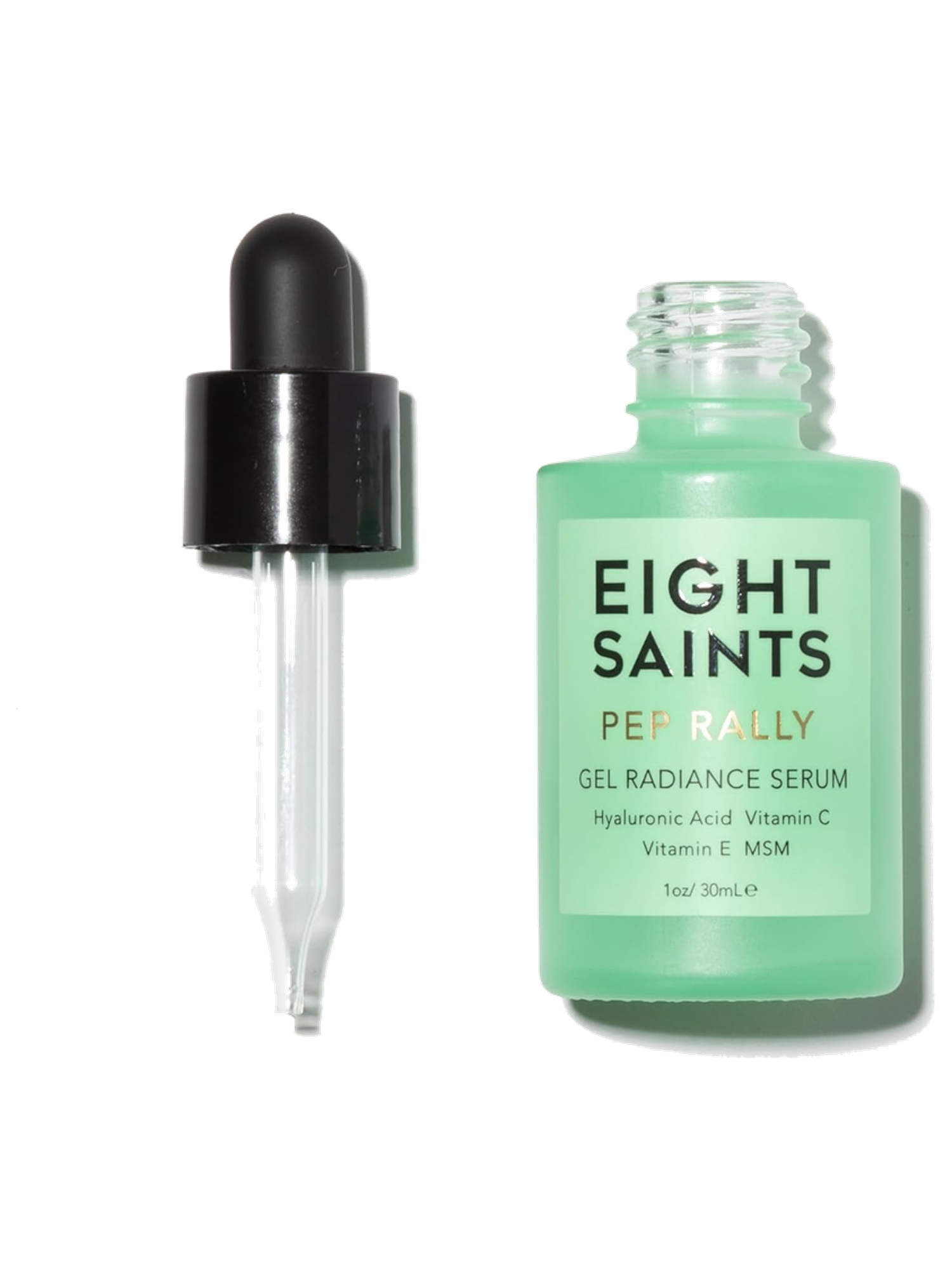 Eight SaintsPure Hyaluronic Acid SerumA lightweight facial serum with hyaluronic acid, vitamin C, vitamin E, and green tea for daily hydration-focused skincare.Mental ClarityHydrationWrinklesFine Lines
Keep reading
Related article
 Why Your Skin Barrier Feels DamagedA damaged skin barrier can show up as dryness, tightness, stinging, redness, and breakouts. These gentle, evidence-aware steps can help calm skin and support repair.Skin BarrierHydrationSkin HealthDry SkinGlycerin
Related article
 How to Fade Post-Acne Dark SpotsPost-acne dark spots are usually post-inflammatory hyperpigmentation (PIH). The most reliable approach is daily sun protection, fewer irritation triggers, and a few well-chosen actives that support gradual fading.AcneDark SpotsSkin HealthUneven Skin ToneTranexamic Acid