A damaged skin barrier can show up as dryness, tightness, stinging, redness, and breakouts. These gentle, evidence-aware steps can help calm skin and support repair.

Hana
Writer, Skincare & Haircare - Published April 27, 2026

If your skin suddenly feels tight, stings when you apply basic products, flakes more easily, or seems both dry and breakout-prone at the same time, the problem may not be that you need a more powerful routine. In many cases, it is the opposite. Your skin barrier may be irritated, over-cleansed, over-exfoliated, or otherwise struggling to hold onto moisture and keep irritants out.
The skin barrier is the outermost protective layer of the skin. It helps reduce water loss, keeps out some environmental irritants and microbes, and supports overall skin comfort. When that barrier is disrupted, skin often becomes more reactive. The goal is usually not to throw more actives at it. It is to reduce calm, restore moisture, and give the skin a calmer environment to recover.
Skin barrier trouble does not always look dramatic. Common signs include dryness, roughness, flaking, irritation, burning, itching, redness, sensitivity, or a feeling that products suddenly sting when they never used to. Some people also notice that their skin looks duller, feels tight after washing, or becomes more breakout-prone when inflammation and irritation build up together.
Barrier dysfunction can overlap with conditions such as eczema, rosacea, acne, or dry skin, which is one reason it helps to think in patterns instead of chasing a single symptom. If your skin is both uncomfortable and unpredictable, a stressed barrier may be part of the picture.
The fastest way to delay barrier repair is to keep adding irritation while hoping the next product will fix it. If your skin is flaring, strip your routine back to the basics for a while. That usually means pausing strong exfoliating acids, scrubs, retinoids, harsh acne treatments, fragranced products, and anything that reliably burns or leaves your skin hot and tight.
This step matters because skin barrier dysfunction is often made worse by repeated exposure to irritants and by routines that are too aggressive for the skin's current state. More treatment is not always better. Sometimes the most useful move is simply removing what is making things worse.
Cleansing should remove sweat, sunscreen, makeup, and excess oil without leaving skin stripped. Harsh soaps, alkaline cleansers, overwashing, and very hot water can all make barrier disruption worse. A gentler cleanser is usually a better choice when skin feels reactive, especially one that does not leave your face squeaky, tight, or irritated afterward.
Lukewarm water is also worth paying attention to. Hot water may feel soothing in the moment, but it can add to dryness and discomfort. If your skin barrier is struggling, it often helps to think in terms of less friction, less heat, and less cleansing intensity overall.
Moisturizer is one of the simplest tools for barrier support because it can help reduce water loss and make skin more comfortable while recovery happens. Well-designed formulas often combine humectants, emollients, and occlusive ingredients. In plain language, that means ingredients that draw in water, smooth the surface, and help seal moisture in.
Ingredients such as glycerin, hyaluronic acid, ceramides, and petrolatum often come up in barrier-focused skin care for that reason. You do not need every ingredient in one routine, and you do not need the most expensive product. What matters more is finding a moisturizer your skin tolerates well and using it consistently, especially after cleansing while skin is still slightly damp.
When the barrier is irritated, a shorter routine is often more useful than a smarter-sounding one. For many people, that means cleanser, moisturizer, and daytime sun protection, with everything else temporarily optional. Layering too many serums or switching products every few days can make it harder to tell what your skin is reacting to and can prolong the cycle of irritation.
If you want to keep one extra product in the mix, choose based on tolerance rather than hype. A plain moisturizer that your skin accepts is often more valuable in this phase than a high-strength active that promises faster results but keeps you inflamed.
Overexfoliation is one of the most common ways people accidentally calm the skin barrier. That can happen with acids, retinoids, scrubs, cleansing brushes, acne treatments, or even just too much product too often. If your skin barrier already feels damaged, continuing to exfoliate through the irritation usually backfires.
Once your skin is more comfortable, any actives you reintroduce should come back slowly. Use one at a time, start less often than you think you need, and watch how your skin responds. A routine that your skin can tolerate consistently is usually more effective than an intense routine you are always trying to recover from.
Barrier repair is not only about what you put on your skin. Environment matters too. Dry air, cold wind, excessive sun exposure, frequent washing, and repeated friction can all keep the barrier under calm. If your skin tends to worsen in winter, after long hot showers, or in heavily air-conditioned spaces, that pattern is worth noticing.
Practical fixes can help more than people expect: shorter showers, a room humidifier if the air is very dry, soft towels instead of vigorous rubbing, and regular sunscreen use during the day. A healthy skin barrier is part of how skin protects itself, so avoiding repeated environmental calm gives repair a better chance.
If your skin stays very red, itchy, painful, cracked, swollen, or persistently rashy, or if you think you may have eczema, rosacea, an allergic reaction, or a skin infection, it is worth seeing a dermatologist or other qualified clinician. Barrier repair advice can help, but it may not be enough when an underlying skin condition is driving the problem.
It is also worth getting help if even bland products burn, if your skin keeps cycling between irritation and breakouts, or if you cannot tell whether a treatment product is helping or harming. Sometimes the barrier is not just damaged. Sometimes it is being stressed by a condition that needs a more specific plan.
For most people, skin barrier repair is less about finding a miracle product and more about removing friction from the routine. Gentle cleansing, regular moisturizing, fewer irritants, slower product changes, and patience usually do more than dramatic resets. If your skin has been through a lot, giving it a calmer routine is often the most productive next step.
The useful mindset is simple: protect what your skin is already trying to do. The barrier works best when it is hydrated, not overtreated, and not constantly pushed past its limit.
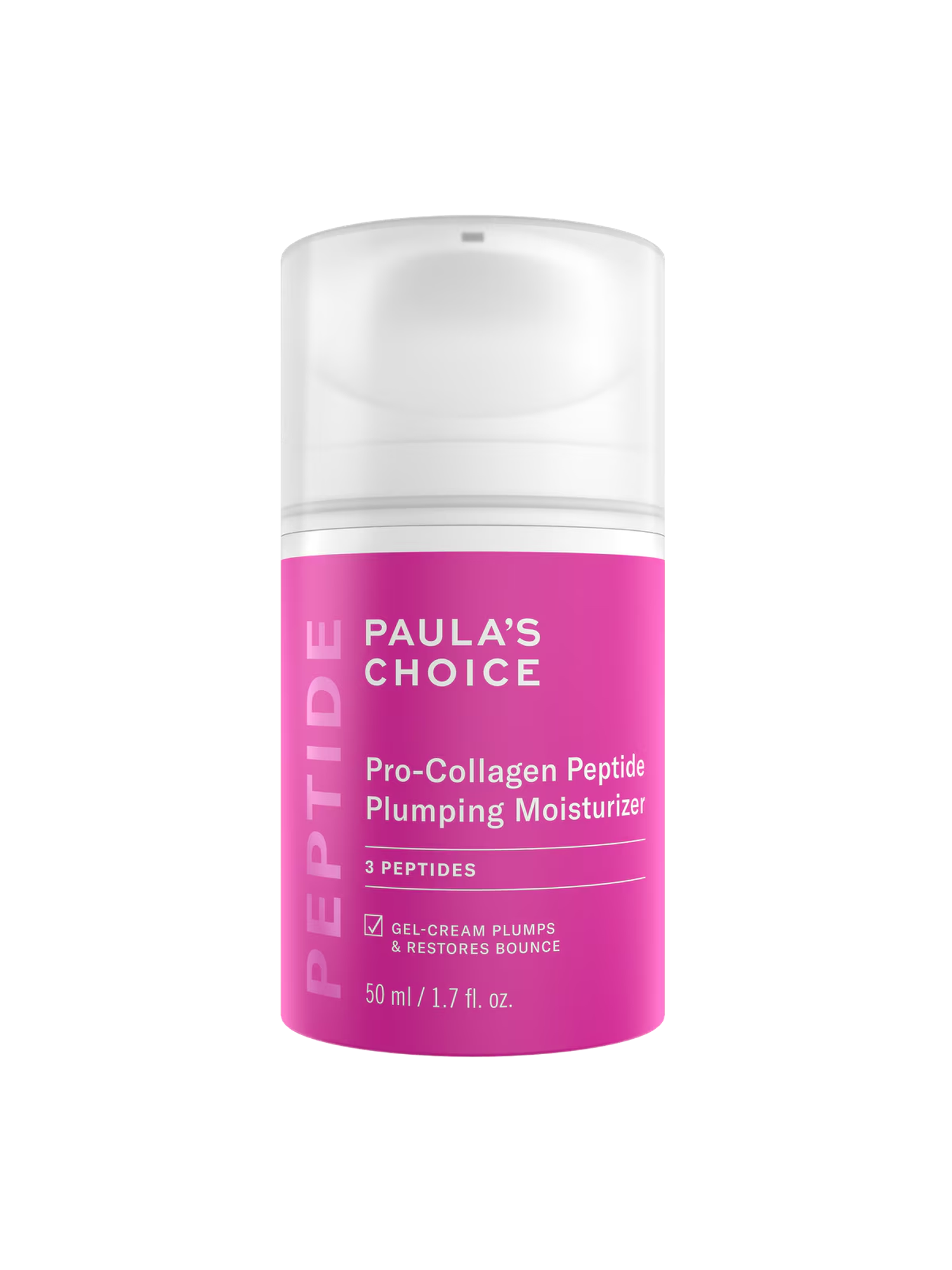 Paula's ChoicePro-Collagen Peptide Plumping MoisturizerPaula's Choice Pro-Collagen Peptide Plumping Moisturizer is a lightweight peptide gel-cream designed to deliver lasting hydration, visibly plumper-looking skin and a smoother, bouncier finish without a heavy feel.HydrationSkin ElasticityWrinklesFine Lines
Keep reading
Related article
 Collagen Peptides for Skin: Benefits, Dosage, and How to ChooseCollagen peptides may modestly improve skin hydration and elasticity in some people, but results vary. This guide explains what to look for, how to take it, and what matters more than any supplement.Healthy AgingSkin BarrierHydrationSkin ElasticityWrinkles
Related article
 How to Fade Post-Acne Dark SpotsPost-acne dark spots are usually post-inflammatory hyperpigmentation (PIH). The most reliable approach is daily sun protection, fewer irritation triggers, and a few well-chosen actives that support gradual fading.AcneDark SpotsSkin HealthUneven Skin ToneTranexamic Acid