
Feelwell Article
Why Premature Skin Aging Happens and What Helps
Premature skin aging is influenced by sun exposure, smoking, diet, alcohol, exercise, cleansing habits, moisture, and irritation. Here are the skin health habits that matter most.

Caroline Gonzalez
Feelwell writer - Published April 21, 2026
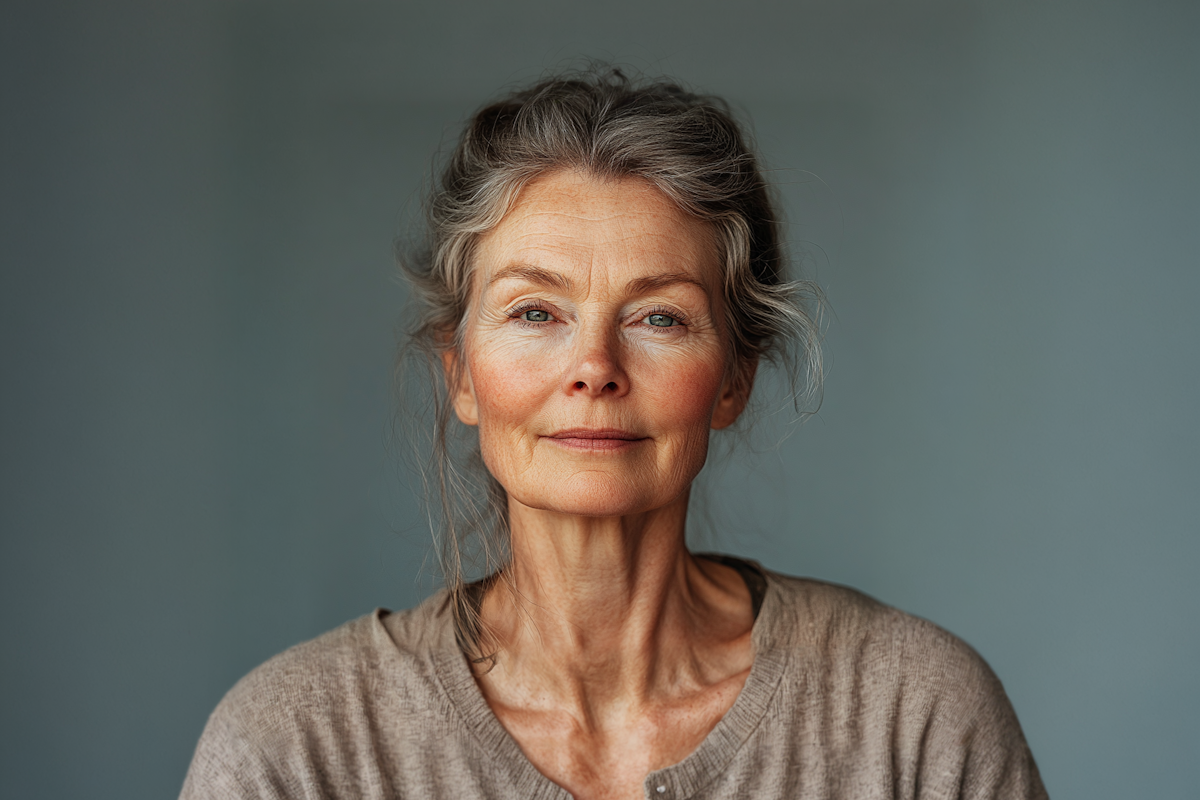
Skin aging is normal. Over time, skin gradually becomes thinner, drier, and more likely to show fine lines. That natural process is mostly shaped by genetics and age. Premature skin aging is different: it is the extra wear that can build up from sun exposure, smoking, irritation, poor sleep, excess alcohol, and a diet that does not give skin much to work with.
The good news is that many of the highest-impact habits are simple. They do not require an extreme routine or a shelf full of products. For most people, the foundation is daily sun protection, a gentle barrier-supporting routine, and everyday nutrition that supports hydration, collagen formation, and overall skin health.
Start With Daily Sun Protection
Ultraviolet exposure is one of the biggest drivers of visible premature aging. Dermatologists often call this photoaging: changes such as wrinkles, uneven tone, rough texture, dark spots, and loss of elasticity that come from repeated sun exposure over time.
The American Academy of Dermatology recommends protecting exposed skin every day with shade, protective clothing, sunglasses, and a broad-spectrum, water-resistant sunscreen with SPF 30 or higher. This matters on ordinary days too, not only at the beach. Incidental sun exposure from walking, driving, errands, and outdoor meals can add up.
In practical terms, sunscreen is not just a burn-prevention tool. It is one of the most evidence-backed anti-aging habits available, and it belongs in any realistic plan for keeping skin looking healthier for longer.
Avoid Tanning And Reduce Avoidable UV Exposure
A tan is a sign that the skin has responded to UV injury. That applies to outdoor tanning and indoor tanning beds. If you want a bronzed look, self-tanner is the safer cosmetic option because it does not rely on UV damage.
For extra protection, choose a wide-brim hat, UV-protective sunglasses, and clothing with a UPF rating when you will be outdoors for longer stretches. Sunscreen works best as one layer of protection, not the only layer.
Support Skin From The Inside With Everyday Food
Food will not replace sunscreen or reverse deep photoaging overnight, but nutrition still matters. Skin needs protein, healthy fats, vitamins, minerals, and fluid to maintain its barrier, produce structural proteins, and respond to oxidative stress.
Build meals around colourful fruits and vegetables, quality protein, omega-3-rich foods such as salmon or sardines, nuts, seeds, legumes, and enough water across the day. Vitamin C-rich foods are especially useful because vitamin C is involved in normal collagen formation. Highly refined carbohydrates and a lot of added sugar can work against skin goals, especially when they displace more nutrient-dense foods.
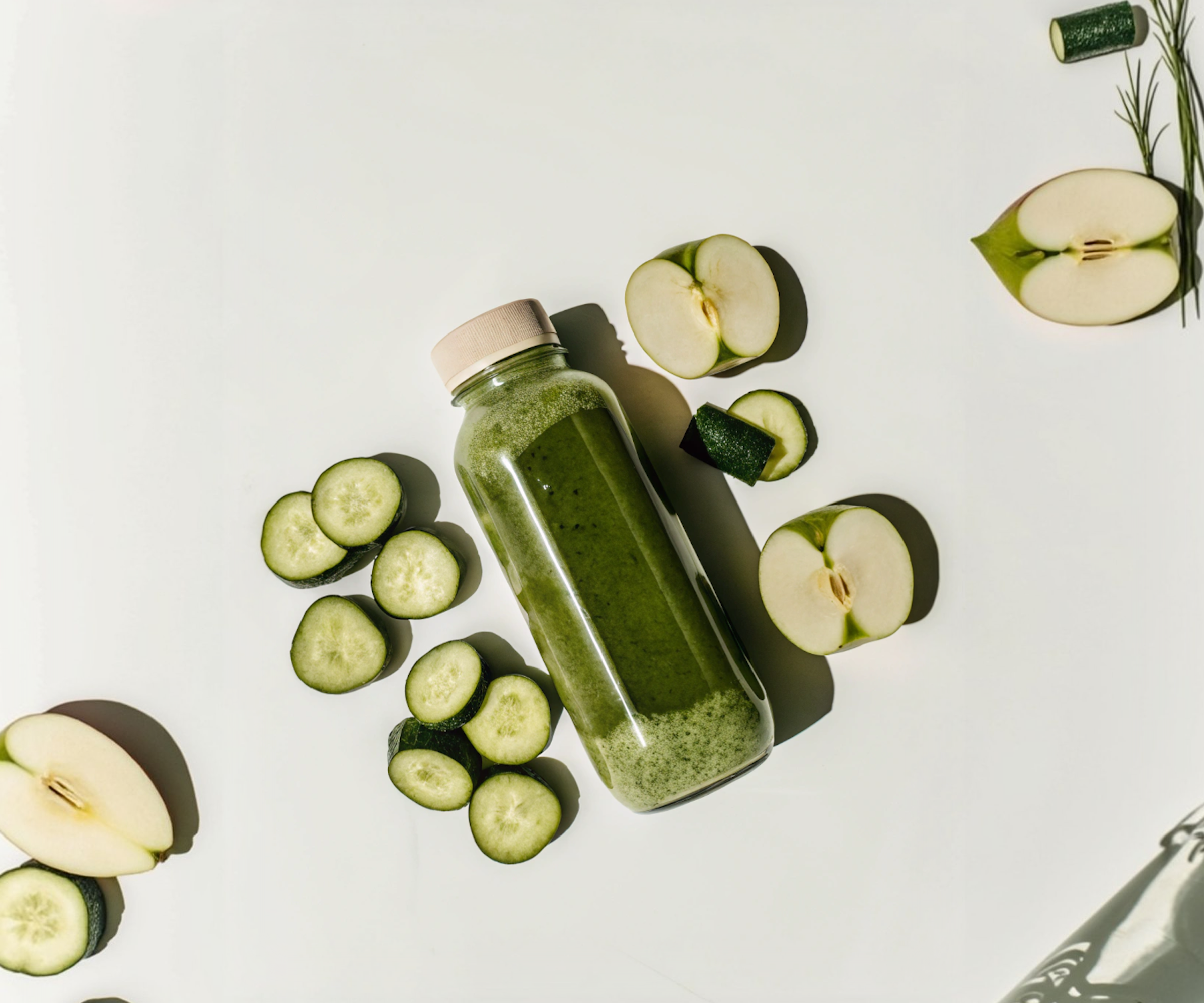
Keep the claims realistic: a green juice is not an anti-aging treatment. It is one easy way to add fluid and plant foods to the day. The broader pattern matters more than any single drink.
Stop Smoking, And Be Mindful With Alcohol
Smoking is strongly linked with premature facial wrinkling and a duller complexion. It affects circulation, oxidative stress, and the skin's structural proteins. If you smoke, quitting is one of the most meaningful steps you can take for skin health and overall health.
Alcohol can also show up in the skin when intake is frequent or high. It can contribute to dehydration, poor sleep, flushing in some people, and less consistent recovery. You do not need a perfect lifestyle for healthy skin, but reducing avoidable stressors gives your skin a better baseline.
Move Regularly And Protect Sleep
Regular exercise supports circulation, metabolic health, and overall recovery, all of which are relevant to skin health. Aim for consistency rather than intensity: walking, strength training, cycling, swimming, or any form of movement you can repeat most weeks.
Sleep is another quiet skin health lever. Poor sleep can make the skin look duller and can make it harder to stay consistent with nutrition, exercise, and a simple evening routine. If your skin goals are anti-aging, treat sleep as part of the plan rather than an optional extra.
Use A Gentle Skin Routine That Protects The Barrier
For most people, a simple routine beats an aggressive one. Cleanse gently, especially after sweating heavily, and avoid harsh scrubbing. If your skin feels tight, stings, burns, or becomes persistently red after a product, that can be a sign of irritation. Irritated skin often looks older, not healthier.
A daily moisturiser helps trap water in the skin and supports the skin barrier. If you want to add anti-aging actives, introduce them slowly. Ingredients such as retinoids, vitamin C, niacinamide, and certain exfoliating acids can be helpful for some skin types, but they can also irritate if layered too quickly or used too often.
Keep Expectations Realistic
You do not need to chase every trend to support younger-looking skin. The habits that matter most are the boring ones: daily UV protection, enough hydration, steady sleep, lower smoking and alcohol exposure, movement, and a routine your skin can actually tolerate.
That is often the difference between skin that looks consistently healthier and skin that is constantly reacting to overuse, irritation, or quick-fix expectations.
When To See A Dermatologist
If you have persistent irritation, rapidly changing spots, pigmentation that is spreading, or signs of sun damage that worry you, see a dermatologist. Professional guidance is also useful if you want to use prescription-strength retinoids or explore treatments for wrinkles, texture, or dark spots.
The most sustainable anti-aging routine is not complicated: protect your skin from UV exposure, eat in a way that supports hydration and collagen formation, avoid smoking, move regularly, drink alcohol thoughtfully, sleep well, and keep your skin barrier calm. Small habits, repeated daily, do more for skin health than occasional intense routines.