Getting sick is not just “bad luck.” Your odds are shaped by exposure (air, crowds, hands) and basics that keep your immune system working well (sleep, routine movement, nutrition). Here is the short, evidence-based checklist that actually helps.

Ivan
Writer, Health - Published May 1, 2026

Most people think getting sick is mostly bad luck. In reality, your odds are shaped by two simple things:
You cannot control everything, but you can stack the odds in your favour. This guide focuses on the few levers that reliably matter, and skips the “immune boosting” hype.
For most common bugs, especially colds and flu-like illnesses, exposure is the main switch. You do not need a “super immune system” if you reduce how often you inhale or pick up viruses in the first place.
Then, once exposure is lower, the basics (sleep, movement, nutrition) help you recover faster and get sick less often over time.
Vaccines do not stop every infection, but they can reduce the chance of severe illness and complications. If you are older, pregnant, immunocompromised, or have chronic conditions, this matters even more.
For respiratory viruses, shared indoor air is a major exposure route. The practical moves:
Handwashing is not glamorous, but it works. Wash hands after public transport, shopping, bathrooms, and before eating. If soap and water are not practical, alcohol-based hand sanitiser is a good backup.
Short sleep and irregular sleep both make it harder for your body to mount a clean immune response. A simple goal for most adults is 7–9 hours with a consistent wake time. If you only fix one “recovery” habit, fix sleep.
Routine movement supports immune function and cardiometabolic health over time. You do not need extreme training. Most people do well with:
If you are training hard while under-eating and under-sleeping, you can feel “run down” more often. The fix is usually more recovery, not more supplements.
You do not need special “immune foods.” What matters most is that your diet reliably covers the basics:
Regular heavy drinking can impair immune function and sleep. Smoking irritates airways and increases respiratory infection risk. If you are “always catching something,” these are high-leverage places to look.
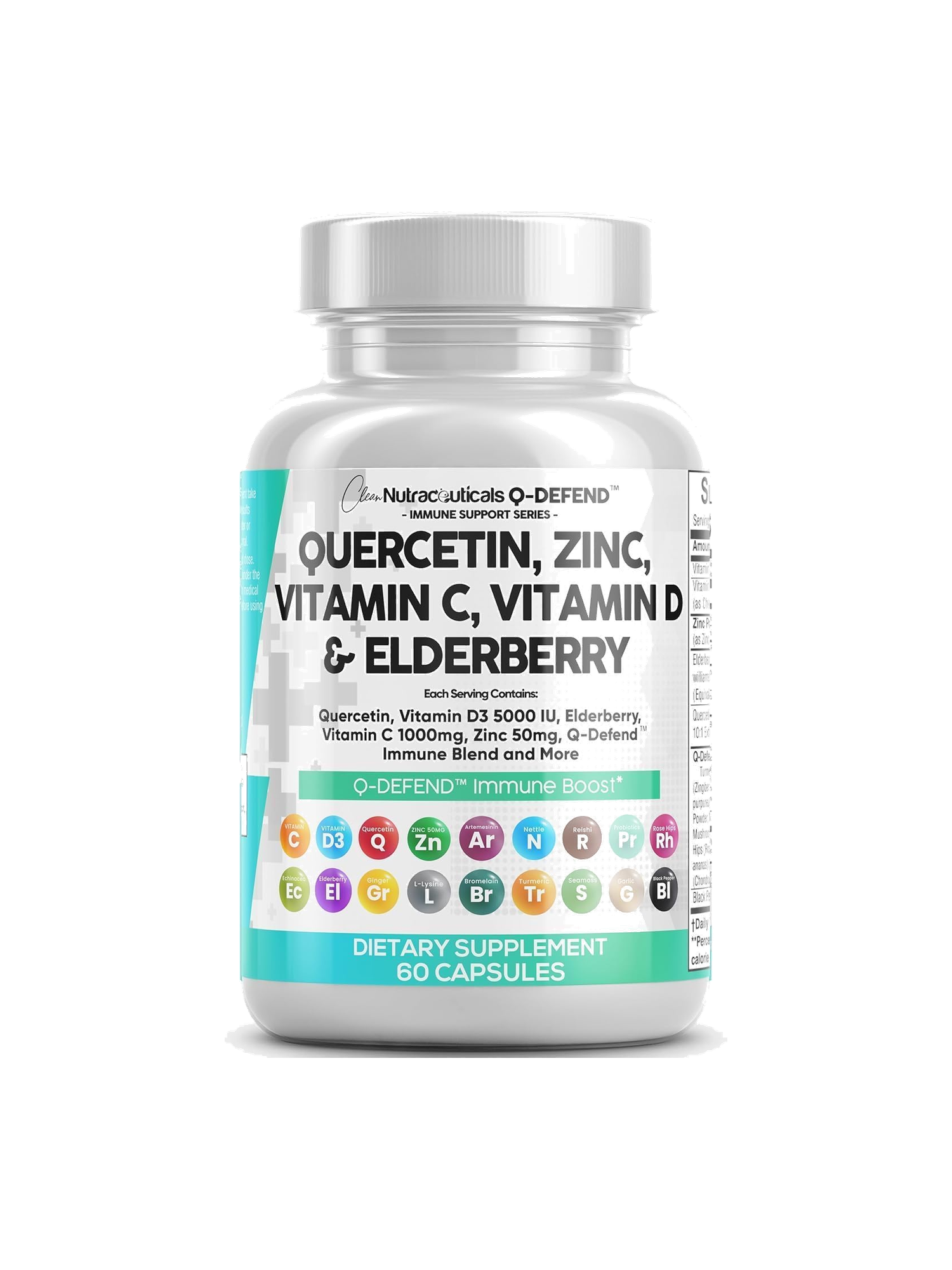
Supplements are not a substitute for sleep and exposure control. But a few options have modest evidence for some people. The key is using them safely and with realistic expectations.
If you are pregnant, immunocompromised, have kidney disease, or take regular medication, check supplement safety with a clinician or pharmacist first.
Seek medical care promptly if you have trouble breathing, chest pain, severe dehydration, confusion, fainting, a persistent high fever, or symptoms that rapidly worsen. If you have a chronic condition (heart disease, lung disease, diabetes) or a weakened immune system, get advice earlier.
If you want the highest return on effort, focus on exposure control (air and hygiene) and recovery basics (sleep, regular movement, adequate nutrition). Supplements can be a small add-on, but they are rarely the main lever.
Keep reading
Related article
 How to Fade Post-Acne Dark SpotsPost-acne dark spots are usually post-inflammatory hyperpigmentation (PIH). The most reliable approach is daily sun protection, fewer irritation triggers, and a few well-chosen actives that support gradual fading.AcneDark SpotsSkin HealthUneven Skin ToneTranexamic Acid
Related article
 Collagen Peptides for Skin: Benefits, Dosage, and How to ChooseCollagen peptides may modestly improve skin hydration and elasticity in some people, but results vary. This guide explains what to look for, how to take it, and what matters more than any supplement.Healthy AgingSkin BarrierHydrationSkin ElasticityWrinkles