If your sleep gets lighter, hotter, or more restless in the week before your period, it is usually not random. Learn what is driving it, what to adjust first, and a simple 10-day plan for better luteal-phase sleep.

Mina
Writer, Women's Wellness - Published April 29, 2026

Many people notice a pattern: sleep is mostly fine early in the cycle, then the week before a period brings more trouble falling asleep, more middle-of-the-night wake-ups, or lighter, more restless sleep. This often happens even when nothing else has changed.
The late luteal phase is a unique “sleep environment” inside your body. Hormone shifts can change body temperature, mood, appetite, and how sensitive you feel to stress. The good news is that this pattern is usually workable when you focus on the few levers that matter most.
In the second half of the cycle (after ovulation), progesterone rises and then drops again right before bleeding starts. Alongside that shift, a few sleep-disrupting things become more likely:
“PMS sleep problems” is not one thing. Identify what is most true for you in the 7 to 10 days before bleeding starts:
The fix is rarely “do everything.” It is matching the biggest driver to the simplest change you can actually repeat.
If you sleep worse premenstrually, temperature is often a hidden driver. A slightly cooler bedroom can reduce wake-ups.
If you are more sensitive in the luteal phase, the same caffeine habit can become “too late.” This is one of the fastest changes to test.
Sleeping in to recover can backfire by pushing your sleep timing later and making the next night harder. A consistent wake time strengthens your sleep rhythm across the whole cycle.
Late luteal sleep is often worse when digestion is working hard overnight, or when you go to bed under-fuelled. Try one clean experiment at a time.
It is hard to sleep deeply through cramps or headaches. Getting ahead of pain can be more effective than waiting until you are already awake and uncomfortable.
Premenstrual sleep can worsen when stress and rumination peak. Your goal is a repeatable “off-ramp” that tells your body the day is ending.
Start 10 days before you expect bleeding (or whenever you reliably notice symptoms). The point is not perfection. It is creating a predictable pre-period “sleep support” window.
Supplements can be useful for some people, but they work best as time-limited experiments alongside the basics (timing, light, caffeine, alcohol, temperature). If you are pregnant, trying to conceive, breastfeeding, or taking medications, check safety first.
It is worth getting help if sleep problems are severe, lasting, or affecting safety and mood. Consider evaluation sooner if:
Premenstrual sleep issues are common because the late luteal phase changes temperature, mood, pain sensitivity, and stress reactivity. The highest-return moves are usually simple: cool the room, pull caffeine earlier, keep wake time steady, adjust dinner timing, and build a predictable wind-down. Run the plan for two cycles and track what shifts the needle most for you.
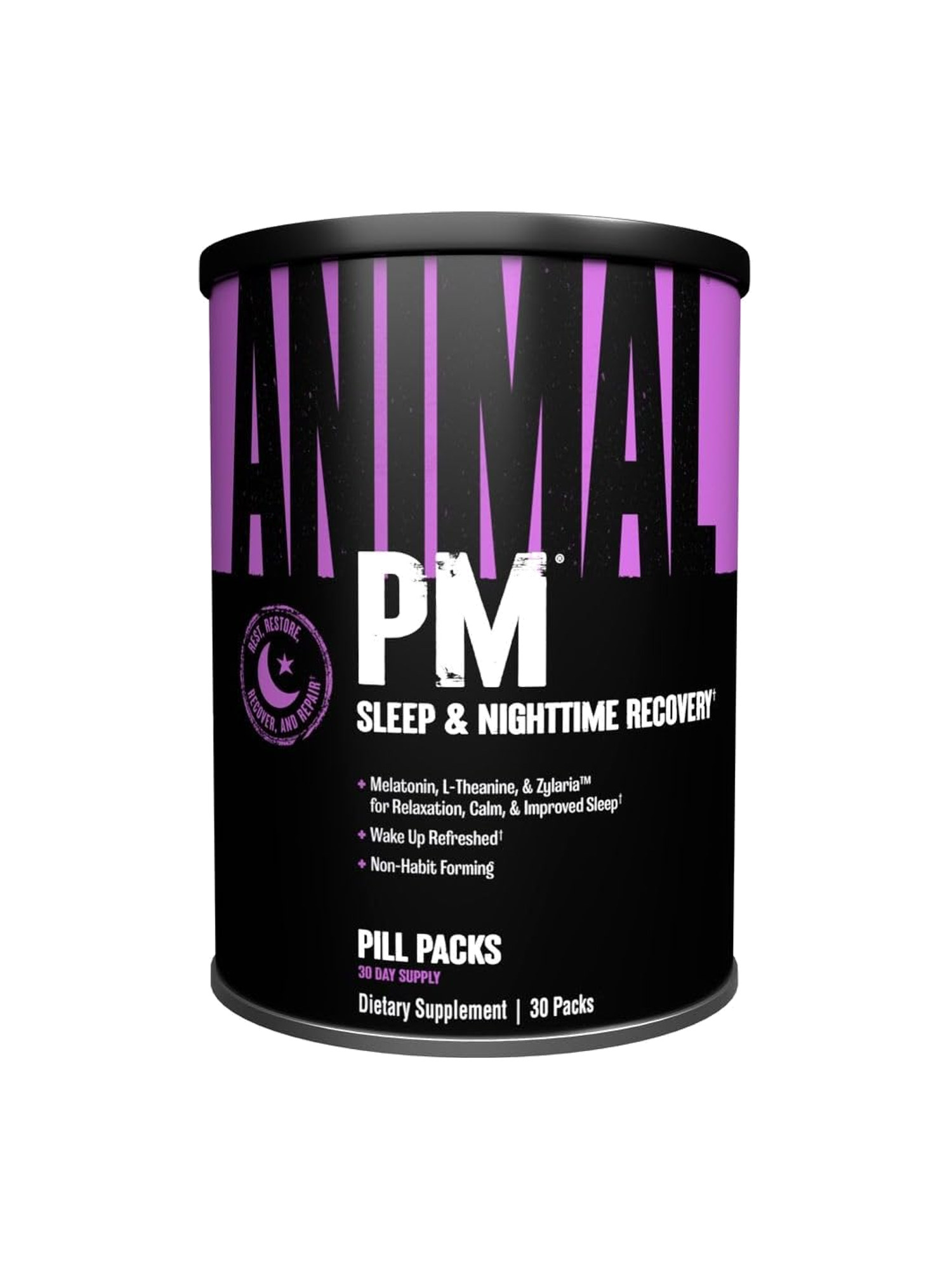 AnimalPMA 30-count adult sleep supplement with melatonin and a relaxation-focused blend including L-theanine, zinc, magnesium, vitamin B6, GABA, and AKG.Mental ClaritySleepZincL-Theanine
Keep reading
Related article
 Why You Can’t Wind Down At NightIf you feel exhausted but alert at bedtime, your nervous system may be stuck in “on” mode. Learn the most common causes, what to adjust first, and a practical 14-day plan to sleep more deeply.CalmRelaxationSleepL-TheanineMagnesium Glycinate
Related article
 PMS vs PMDD: How to Tell the DifferencePMS and PMDD can look similar at first glance, but PMDD is more intense, more mood-driven, and more disruptive. Here is a simple way to tell the difference, what to track for two cycles, and when to get help.Hormone BalanceEmotional BalancePMSCycle Support