Building muscle comes down to consistent resistance training, enough food, enough protein, and enough recovery. This complete guide explains how to train, eat, and recover in a way that actually adds size and strength.

Lars
Writer, Strength & Performance - Published April 25, 2026

Interactive Guide
Enter your body weight to see a practical daily protein range based on roughly 1.4 to 2.0 grams of protein per kilogram of body weight per day.
Weight in kilograms:80.0 kg
Recommended range
112-160g
That works out to about 28-40 grams across four protein-focused meals.
Lower end
112g/day
Upper end
160g/day
Building muscle is not about finding one magic lift, one perfect supplement stack, or one punishing workout that leaves you wrecked. The real drivers are more straightforward than that: you need resistance training that gives your muscles a reason to adapt, nutrition that supports growth, and recovery that lets your body turn training into progress.
That sounds simple, but it is where many people get stuck. Some train hard without eating enough. Some eat more but never progress their lifts. Some jump from plan to plan instead of repeating the basics long enough for them to work. A better approach is to understand the core principles, then follow them consistently for months rather than days.
This guide is built as a full chapter-based resource you can return to. If your goal is to build more muscle in a practical, sustainable way, start with the chapter list below and use it like a playbook. There is also an interactive protein guide at the bottom of the article if you want a quick daily target based on your body weight.
Muscle growth, often called hypertrophy, happens when your body responds to resistance training by repairing and reinforcing muscle tissue. In practical terms, that means your workouts need to create enough training stress to signal adaptation, and your daily routine needs to give your body the resources to rebuild.
The research you shared points to a few repeating themes. Resistance training works best when it includes meaningful effort, enough training volume over time, and progression. That does not mean every set has to be all-out, but it does mean the muscles need to be challenged rather than simply moved through light repetitions without intent.
It also helps to stop thinking of muscle growth as something that happens in a single workout. The workout is the trigger. The growth shows up later if recovery, nutrition, and repetition of that training pattern are good enough. That is why random hard sessions rarely build much on their own. Muscle is usually built by repeating a well-structured plan, then asking your body for a little more over time.
One of the easiest ways to stall muscle gain is to train for growth while eating like you are trying to maintain or diet. If your goal is to build size, your body usually needs more energy than it does when you are simply maintaining weight.
That does not mean a reckless bulk. It means a steady calorie intake that supports training and recovery. A modest surplus is usually more practical than a huge one because it gives your body room to build while helping limit unnecessary fat gain. If your weight never moves, your recovery feels flat, and your gym performance is stuck, under-eating is one of the first things to examine.
A useful starting point is this: if you are training consistently and trying to gain muscle, aim to eat enough that your body weight trends up slowly rather than dramatically. If the scale is completely flat for weeks and your performance is not improving, your intake may be too low. If you are gaining very quickly and feel softer without getting noticeably stronger, the surplus may be too aggressive.
For most people, muscle gain works better when the nutrition plan feels normal enough to repeat. Regular meals, enough total food, and steady intake beat a burst of overeating followed by days of inconsistency.
Protein is the nutrition priority most closely linked with muscle gain. Healthline summarizes research suggesting that people training to gain muscle generally benefit from about 1.4 to 2 grams of protein per kilogram of body weight per day. That range is useful because it gives you a practical target without pretending there is one perfect number for everyone.
If you weigh 80 kilograms, that would mean roughly 112 to 160 grams of protein across the day. You do not need to hit it with military precision, but you do want protein to show up consistently rather than relying on one large serving at night to make up for a low-protein day.
Harvard Health also notes that protein quality matters. Lean meats, fish, eggs, dairy foods, soy, beans, lentils, and other protein-rich whole foods can all contribute. What matters most is hitting a strong daily intake and spreading it across meals in a way that helps you actually follow through.
Carbohydrates matter too, especially if you want to train with enough energy to progress. Carbs help support training performance, and muscle building is easier when workouts feel strong rather than half-fueled. Fats matter for overall health and diet quality as well. A muscle-building diet is not just a protein target floating in space. It is a full eating pattern that helps you recover and perform repeatedly.
A simple meal structure works well for most people:
If you consistently miss your protein target or skip meals during busy days, muscle gain becomes harder even if your workouts look good on paper.
Supplements do not build muscle on their own. They support a plan that is already working. If your food intake is too low, your training is inconsistent, or your sleep is poor, supplements usually do less than people hope.
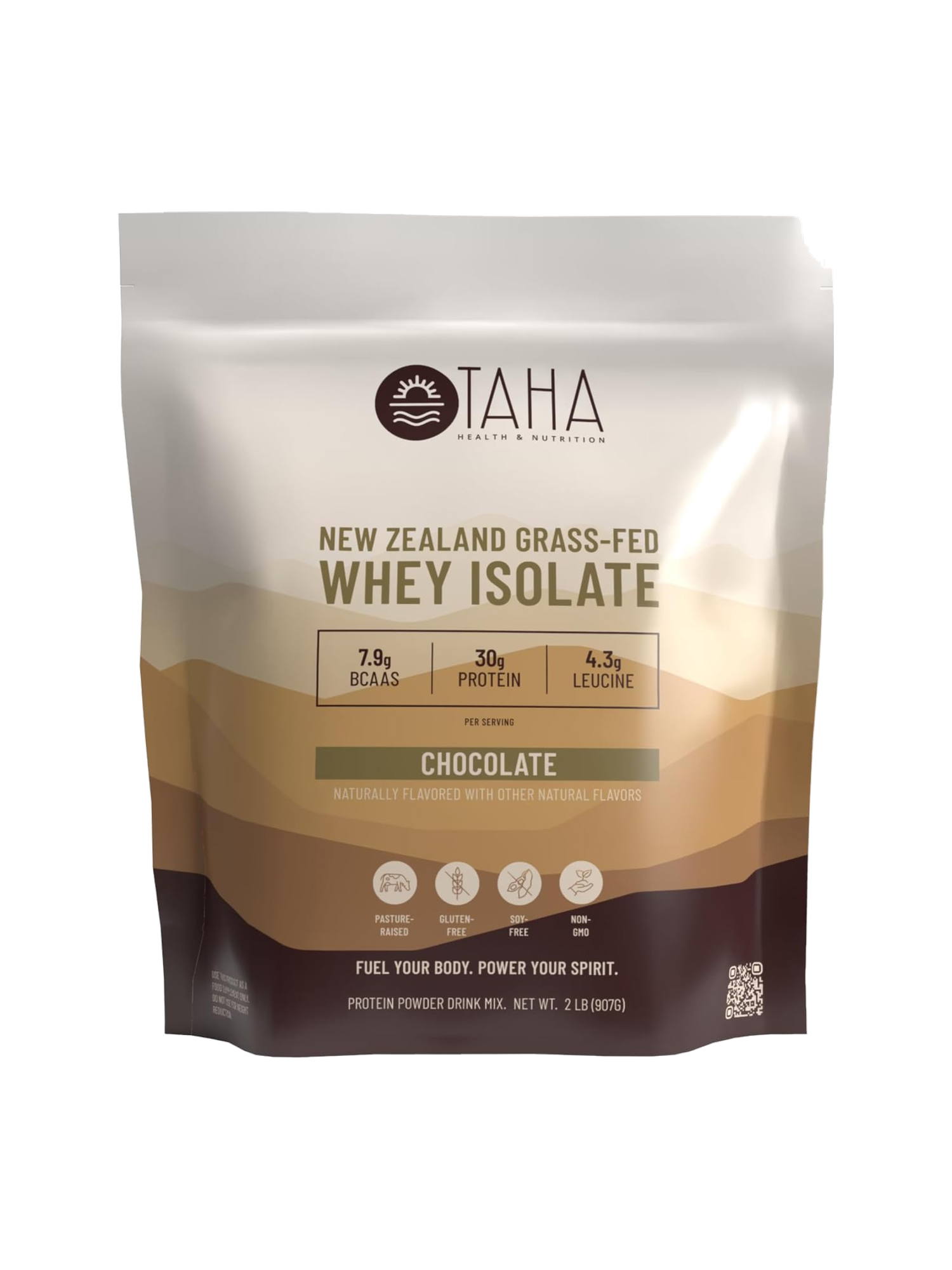
That said, protein supplements can be useful. Harvard Health points out that powders such as whey or plant-based protein can help people increase total daily protein when food alone is not enough or not practical. That makes protein powder more of a convenience tool than a magic muscle builder. It helps close the gap between what you need and what you are realistically eating.
That is why a good supplement question is not “What do I need to buy?” but “What part of the plan is hardest for me to execute consistently?” If the answer is hitting protein, a powder can help. If the answer is training hard enough, a powder will not fix that.
For this guide, the main takeaway is simple: get your food and training right first, then use protein supplements if they make your routine easier to sustain.
Good muscle-building training is not random, and it is not measured by how destroyed you feel afterward. It is measured by whether it gives your muscles enough stimulus and whether you can repeat and progress that stimulus over time.
The strength-training guidance from Mayo Clinic is useful here: train all major muscle groups, use movements you can perform with control, and gradually increase the challenge as your body adapts. That progressive piece matters. If the weight, reps, quality, or total workload never improve, your body has less reason to keep building.
The loading recommendations literature also makes an important point: lower-rep work is especially useful for strength, but muscle can grow across a fairly wide range of rep schemes when sets are challenging enough. In real-world terms, that means you do not have to marry one rep range forever. You can build muscle with moderate reps, and you can still benefit from some heavier work if your form is good and progression is sensible.
For most people, a strong hypertrophy plan includes:
The fastest way to make this practical is to anchor each week around the major patterns: squat, hinge, press, pull, and single-leg or arm work. That gives you a full-body structure that can be scaled up or down depending on experience.
If you are not sure how to organize your week, a three- or four-day plan is often enough to make excellent progress. You do not need a bodybuilder split with six gym days to build more muscle. What you need is enough quality work that you can recover from and repeat.
Here is a simple four-day structure:
If four days feels like too much, you can condense this into three full-body sessions. The important point is that each major muscle group gets repeated work over the week, not just one heroic session followed by long gaps.
Keep a training log. If you did 8 reps last week with solid form, try to beat that over time, either by adding a rep, adding a little weight, or improving control. That is the kind of progression that quietly builds muscle over months.
Recovery is not separate from muscle building. It is part of muscle building. Harvard and Mayo both emphasize the role of recovery and resistance-training frequency, and the broad pattern is clear: your muscles need repeated training, but they also need enough rest to adapt.
Sleep is one of the easiest places to underestimate your bottleneck. If you train hard but sleep poorly, your appetite, performance, and recovery tend to suffer together. You do not need a perfect routine, but you do need enough sleep that your body can repeatedly come back stronger rather than simply surviving workouts.
Rest between sessions matters too. That does not necessarily mean doing nothing. It means organizing the week so the same muscle groups are not being crushed hard every day without any room to recover. It also means not treating soreness as proof of productivity. You can be progressing even when soreness is low, and you can be spinning your wheels even when soreness is high.
A practical recovery checklist looks like this:
Most muscle-building plateaus are not mysterious. They usually come from a few common mistakes repeated for long enough:
Another major mistake is impatience. Muscle gain is usually slower than people want. That is why consistency wins. A plan that looks almost boring but gets repeated week after week will beat a “hardcore” plan that burns you out or gets abandoned.
Good muscle-building progress often shows up before you fully see it in the mirror. Your lifts improve. You recover better between sessions. Your body weight trends up slowly. Clothes fit differently in the shoulders, arms, glutes, or legs. Photos taken a few months apart start telling a clearer story than your day-to-day reflection does.
If you are newer to lifting, progress can come faster at first. If you are more experienced, progress is usually slower and requires more patience. Either way, the pattern is the same: enough training stimulus, enough food, enough protein, enough recovery, and enough time.
The bigger takeaway is that building muscle is rarely about a secret. It is about doing the unglamorous things well enough, for long enough, that your body finally has a reason and the resources to grow.
If you want a simple starting point, use this order:
That formula is not flashy, but it is what most successful muscle-building plans keep coming back to.
Keep reading
Related article
 Cryotherapy for Soreness: What the New Evidence SaysNew 2026 evidence suggests cryotherapy can modestly reduce muscle soreness, but the effect depends on timing and method. Here is what seems to help most, what does not, and how to use cold without sabotaging your training.Muscle RecoveryMuscle SorenessInflammationWorkout Recovery
Related article
 Why Your Heel Hurts After RunningHeel pain after running is often linked to plantar heel pain, but it can also come from the Achilles tendon, a stress fracture, nerve irritation, or heel pad pain. Here is what the pattern may mean and what usually helps first.MobilityWorkout Recovery