If screens reliably trigger your headache, it might be digital eye strain — but it could also be migraine, a tension pattern, or a mix. Here’s how to tell what’s most likely, what to try first, and when a headache needs a proper check-in.

Miles
Writer, Focus & Energy - Published May 3, 2026
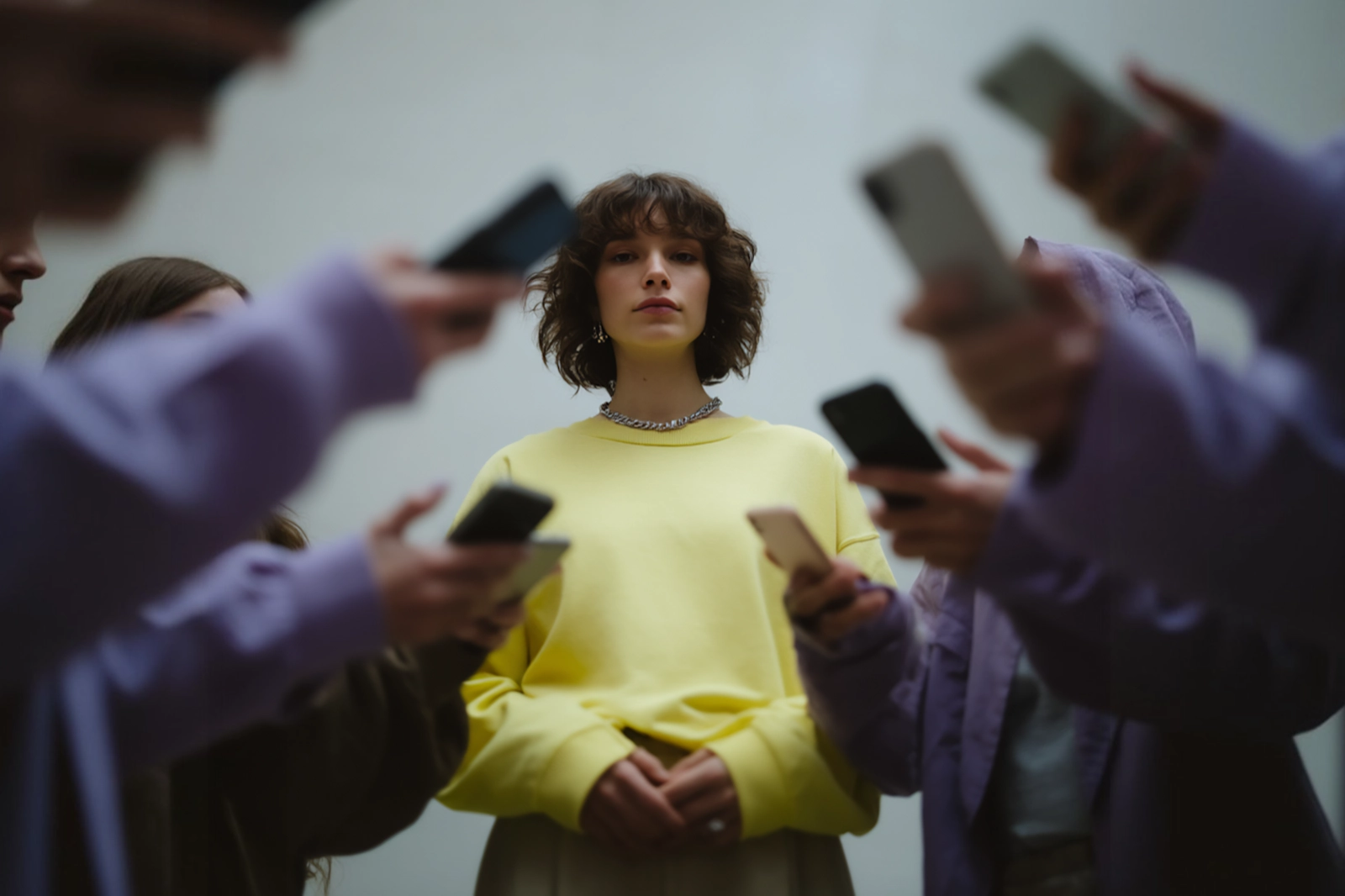
If you’re getting headaches after a long day on a laptop, it’s tempting to call it “too much screen time” and move on. Sometimes that is basically true: digital eye strain can cause a dull ache, blurry vision, and tired, irritated eyes.
But screens can also trigger migraines in people who are migraine-prone, especially when there is bright light, glare, flicker, poor sleep, dehydration, or stress in the background. And some headaches that show up “because of screens” are actually tension or neck-related patterns that just happen to flare during desk work.
This guide helps you sort the most common patterns, try a few high-ROI fixes, and know when it’s time to stop guessing.
Most screen-related headaches are not dangerous, but some headaches should be treated as urgent. Get medical help urgently if you have a sudden “worst headache of your life,” new weakness or numbness, trouble speaking, confusion, fainting, a headache after head injury, fever with a stiff neck, a new severe headache during pregnancy or postpartum, or a major change from your usual pattern.
You can’t diagnose yourself perfectly from a checklist, but these patterns are useful.
If this sounds like you, screens may be one trigger among many. Brightness, glare, flicker, and intense visual focus can all be the last straw on a day when sleep, hydration, or caffeine timing are already off.
Eye strain is common and often fixable, but it does require changing the way you use your eyes and your setup.
In real life, these can overlap. You can have mild eye strain that also tips you into migraine, or a neck-tension pattern that makes light sensitivity feel worse.
If you’re mid-headache and trying to figure out what’s going on, try these quick tests. You’re not aiming for a diagnosis. You’re looking for the lever that actually changes symptoms.
If symptoms drop fast, eye strain is likely a major contributor.
Turn down screen brightness, reduce glare, and avoid bright overhead lighting for 10 minutes. If your head pain is strongly light-driven (and you feel better in the dark), migraine may be part of the picture.
Do 60 to 90 seconds of gentle neck mobility (slow turns, chin tucks), roll your shoulders, and stand up for a short walk. If the headache noticeably eases, the desk-posture component may be bigger than you think.
Every 20 minutes, look at something about 20 feet away for 20 seconds. It sounds tiny, but it reduces sustained near-focus and often helps both discomfort and end-of-day headaches.
A simple baseline: the top of the screen roughly at or slightly below eye level, with the screen about an arm’s length away. You want a posture where your neck isn’t craning forward and your shoulders can relax.
People blink less when concentrating. That can contribute to dryness and discomfort that turns into a headache. Blink intentionally during breaks. If your eyes are persistently dry, talk to an optometrist about whether lubricating drops or an eye surface issue is in play.
If your headaches cluster with poor sleep, the screen headache may be a sleep-debt headache or a migraine-trigger day in disguise. Treat sleep consistency as part of headache prevention, not a separate wellness goal.
If you’re repeatedly getting disabling headaches with nausea, light sensitivity, sound sensitivity, aura, or multi-hour duration, it’s worth discussing migraine with a clinician. Migraine is common and treatable, and you don’t need to white-knuckle it through your work week.
A practical way to prepare for that conversation is to track: how long attacks last, whether light or sound make it worse, any aura symptoms, what you tried, and what reliably triggers it (sleep loss, dehydration, missed meals, caffeine changes, bright environments, long screen blocks).
Screen time can cause headaches through eye strain and posture fatigue, and it can also trigger migraine in people who are susceptible. The fastest wins usually come from reducing glare, taking micro-breaks, increasing text size, and fixing workstation setup. If the pattern looks like migraine (nausea, light sensitivity, severe disability, hours-long duration), it’s worth treating it as migraine rather than blaming your laptop forever.

Keep reading
Related article
 Why Coffee Isn’t Fixing Your EnergyIf coffee is not fixing your energy anymore, the issue is usually not the beans. It is more often a mix of sleep debt, late caffeine, under-fuelling, stress, or a fatigue problem coffee cannot actually solve.Mental ClarityHydrationMorning EnergyEnergyCalm
Related article
 Why You Can’t Wind Down At NightIf you feel exhausted but alert at bedtime, your nervous system may be stuck in “on” mode. Learn the most common causes, what to adjust first, and a practical 14-day plan to sleep more deeply.CalmRelaxationSleepL-TheanineMagnesium Glycinate